

Can Magnesium Oxide Granules be used in food products?
As a well - established supplier of Magnesium Oxide Granules, I frequently encounter the question of whether magnesium oxide granules can be used in food products. This is a topic that combines both scientific research and practical application in the food industry. In this blog, I aim to provide a comprehensive exploration of this issue.
What are Magnesium Oxide Granules?
Magnesium oxide (MgO), with the CAS number 1309 - 48 - 4, exists in various forms, and granules are one of them. Magnesium Oxide Granules CAS: 1309 - 48 - 4 are created through specific manufacturing processes that result in a granular physical form. These granules can vary in size, purity, and other properties depending on the production methods and intended applications.
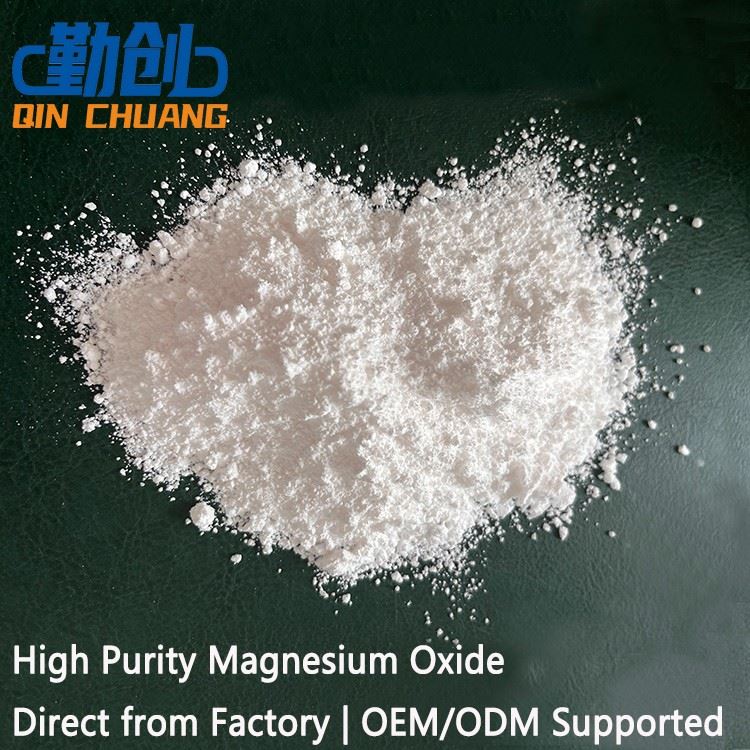
Magnesium oxide itself is a white, odorless powder or granular substance. It is an inorganic compound that has a wide range of applications in industries such as refractory materials, pharmaceuticals, and, of course, potentially food. Different grades of magnesium oxide are available in the market, including USP Magnesium Oxide CAS: 1309 - 48 - 4, Industrial Grade Magnesium Oxide CAS: 1309 - 48 - 4, and Food Pharmaceutical Grade Magnesium Oxide CAS: 1309 - 48 - 4. The grade is crucial as it determines the suitability of magnesium oxide for different uses.
Scientific Basis for Using Magnesium Oxide in Food
Magnesium is an essential mineral for the human body. It plays a vital role in over 300 enzymatic reactions, including energy production, muscle contraction and relaxation, and nerve function. In the context of food, magnesium can be an important nutritional addition.
When it comes to magnesium oxide, it can act as a magnesium source in food products. However, its use is not only about providing nutrition but also about its physical and chemical properties. For example, magnesium oxide can act as an anti - caking agent in powdered food products. It helps to prevent the formation of lumps and keeps the product in a free - flowing state, which is important for the quality and usability of the food.
In addition, magnesium oxide has certain pH - regulating properties. In some food processing, it can be used to adjust the acidity or alkalinity of the product, which can affect the taste, texture, and shelf - life of the food.
Regulations and Standards
The use of magnesium oxide granules in food products is strictly regulated. Different countries and regions have their own regulations regarding the addition of food additives, including magnesium oxide. In the United States, the Food and Drug Administration (FDA) has specific guidelines on the use of food - grade magnesium oxide. It must meet certain purity and quality standards to be considered safe for consumption.
Similarly, the European Union also has a comprehensive set of regulations under the EU Food Additives Regulation. These regulations define the permitted uses, maximum levels of use, and labeling requirements for magnesium oxide when it is used as a food additive.
As a supplier, we ensure that our Food Pharmaceutical Grade Magnesium Oxide CAS: 1309 - 48 - 4 complies with all relevant international and regional regulations. This means that our product meets the highest standards of purity and safety for use in food products.
Applications in Food Products
- Dietary Supplements: One of the most common uses of magnesium oxide granules in the food field is in dietary supplements. Many people take magnesium supplements to meet their daily magnesium requirements, especially those with a magnesium - deficient diet or certain health conditions. Magnesium oxide granules are often formulated into capsules or tablets due to their stable physical properties. They can provide a concentrated source of magnesium in a convenient form.
- Baked Goods: In the baking industry, magnesium oxide can be used as a dough conditioner. It helps to improve the texture and volume of baked goods. By reacting with some of the components in the dough, it can enhance the gluten network, resulting in a softer and more elastic crumb. Additionally, it can act as an anti - caking agent in some baking mixes, such as pre - mixed flour for cakes or cookies.
- Salt Substitutes: Magnesium oxide can be incorporated into salt substitutes. Since excessive sodium intake is associated with various health problems like high blood pressure, salt substitutes are becoming more popular. Magnesium can provide a similar savory taste in small amounts, and using magnesium oxide granules in salt substitutes can help reduce sodium consumption while still maintaining some of the flavor characteristics.
Advantages of Using Magnesium Oxide Granules in Food
- High Purity: Our High Purity Magnesium Oxide CAS: 1309 - 48 - 4 granules ensure that the food products do not contain unwanted impurities. This is crucial for food safety and quality. High - purity magnesium oxide does not introduce any off - flavors or contaminants that could affect the taste and safety of the food.
- Stable Physical Properties: The granular form of magnesium oxide offers better handling and storage characteristics compared to powders. Granules are less likely to be airborne, which reduces the risk of inhalation during processing. They also have better flowability, making them easier to measure and mix into food products uniformly.
- Cost - Effectiveness: In large - scale food production, cost is an important factor. Magnesium oxide granules can be a cost - effective option for adding magnesium and achieving certain functional properties in food products compared to some other alternatives.
Potential Concerns
Although magnesium oxide is generally considered safe for use in food, there are some potential concerns. One of the main issues is the bioavailability of magnesium in magnesium oxide. Bioavailability refers to the proportion of a nutrient that is absorbed and utilized by the body. Magnesium oxide has relatively low bioavailability compared to some other magnesium compounds, such as magnesium citrate. However, in the context of food additives, the amount of magnesium added is usually small, and the overall contribution to the daily magnesium intake needs to be considered.
Another concern is the potential interaction with other components in the food. Magnesium oxide may react with certain chemicals in the food, which could affect the stability or quality of the product. Therefore, proper research and testing are required before using magnesium oxide granules in new food formulations.
Conclusion
In conclusion, magnesium oxide granules can be used in food products, but it must be done in accordance with the relevant regulations and scientific principles. As a supplier of high - quality magnesium oxide granules, we are committed to providing products that meet the strictest safety and quality standards. Our Magnesium Oxide Granules CAS: 1309 - 48 - 4 are suitable for a wide range of food applications, from dietary supplements to baked goods.
If you are involved in the food industry and are interested in using magnesium oxide granules in your products, we invite you to contact us for more information and to discuss your specific requirements. We can provide samples for testing and offer professional advice on the appropriate use of our products.

References
- Food and Drug Administration (FDA). Regulations on food additives.
- European Union. EU Food Additives Regulation.
- Scientific literature on the nutritional role of magnesium and the properties of magnesium oxide.